
January15
Landlord TipsRelated Posts
Aliquam lacinia diam quis lacus euismod
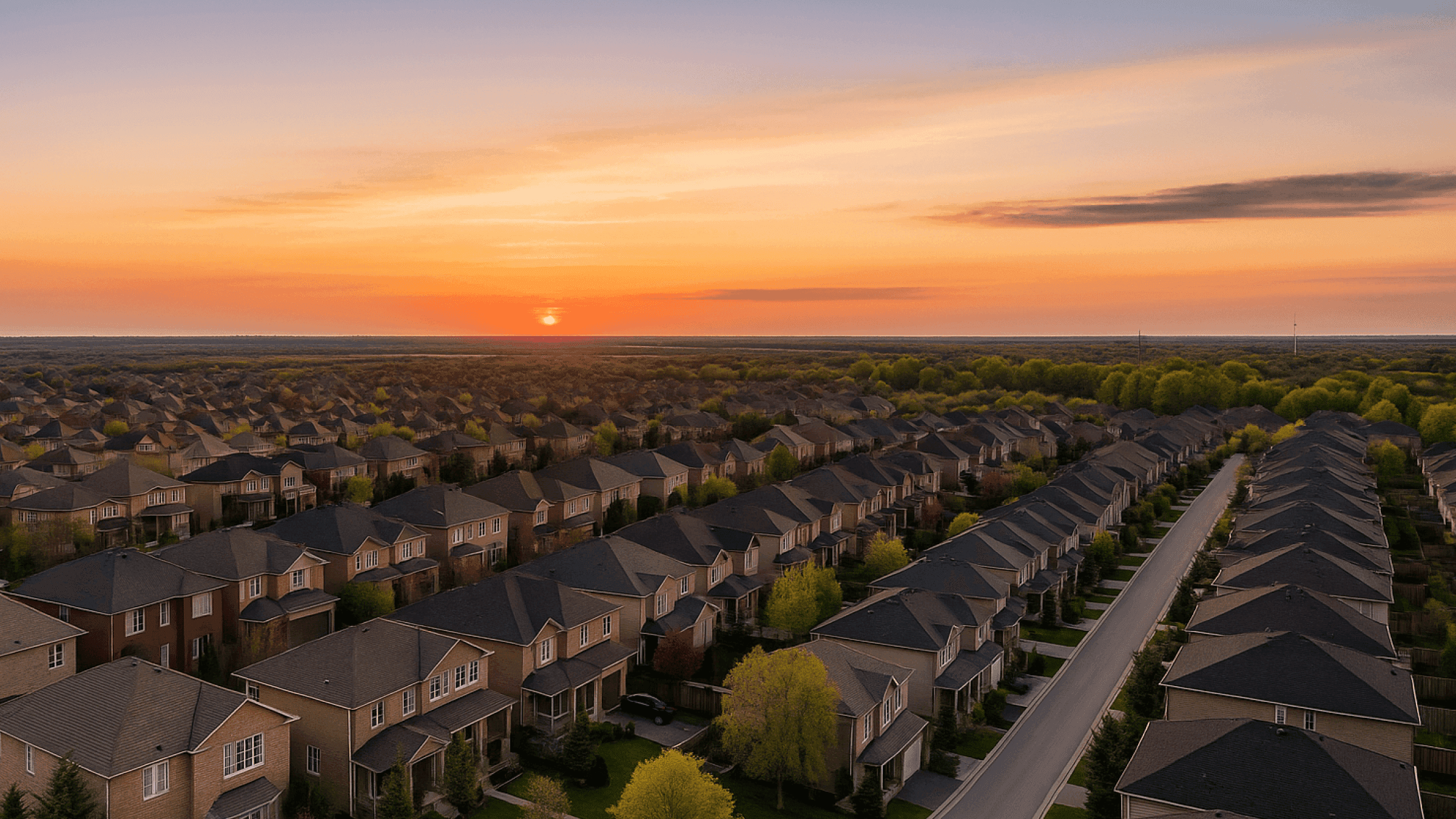
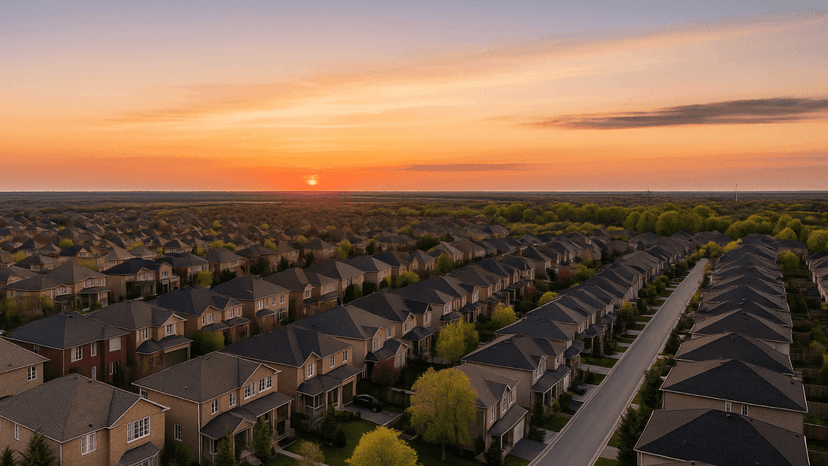
Canada is facing a housing affordability crisis that has been building for years. The numbers make the situation clear.
In 2019, the average Canadian household spent 39% of income on housing. By 2024, that figure had climbed to 54%. According to CMHC, Canada needs to build 4.8 million new homes by 2035 to restore affordability to 2019 levels. That means constructing 430,000 to 480,000 units per year.
In 2025, Canada built 259,028 homes. That is roughly half of what's needed.
The gap between supply and demand has pushed prices higher, tightened vacancy rates, and made it increasingly difficult for Canadians to find affordable housing, whether renting or buying.
The core issue is supply. Housing construction has not kept pace with population growth, and the warning signs appeared years ago. In 2022, federal officials flagged that population growth was outpacing available housing units.
Housing starts in 2025 reached 259,028 nationally, up 5.6% from 2024 and the fifth-highest annual total on record. But that number is still far short of what's required. The Parliamentary Budget Officer estimates a 1.3 million unit gap between current supply and what Canada needs.
The situation varies by region. Calgary and Edmonton saw record housing starts in 2025. Montreal increased starts by 58%. But Toronto, Canada's largest city, saw starts drop 31% year over year, putting it on track for its lowest level of housing construction in 30 years.
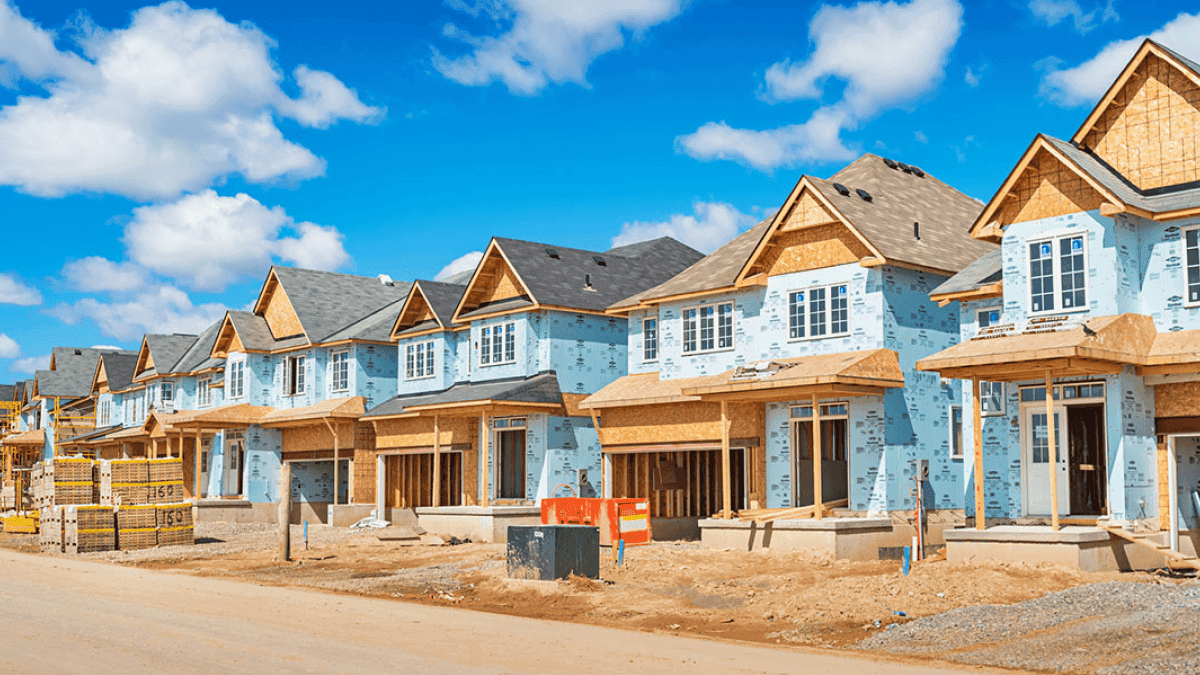
For decades, Canadian cities made it difficult to build anything other than single-family homes or high-rise towers. The "Missing Middle," which includes duplexes, triplexes, townhomes, and low-rise apartments, was effectively banned in most residential areas.
In Toronto, approximately 70% of residential land was zoned exclusively for single-detached homes. Vancouver was similar, with exclusionary zoning covering about 75% of residential land. This forced all new housing into expensive downtown towers or distant suburban sprawl.
The result: constrained supply where people want to live, and higher prices across the board.
Local opposition has also slowed development. Community resistance, often called NIMBYism (Not In My Back Yard), has blocked affordable housing projects and multi-unit developments in neighbourhoods across the country.
Recent policy changes are beginning to address this. The federal Housing Accelerator Fund requires cities to cut red tape to receive funding. Toronto, Calgary, and Halifax have agreed to allow four units as-of-right on residential lots, effectively ending single-family-only zoning in participating areas.
Even when projects are approved, building them is expensive and slow.
Labour shortages are a persistent problem. Canada lacks enough skilled tradespeople, including carpenters, electricians, and plumbers, to meet construction demand. Immigrants make up 23% of Canada's overall workforce but only 19% of the construction labour force.
Material costs have risen significantly since 2020, driven by supply chain disruptions and inflation. Lumber, steel, and concrete prices remain elevated compared to pre-pandemic levels.
Permitting delays add months or years to project timelines. Environmental reviews, municipal approvals, and development charges all increase the cost and complexity of building new housing.
These constraints mean that even with strong demand and willing developers, the construction industry cannot scale up quickly enough to close the supply gap.
Canada's population grew rapidly through immigration in recent years, adding pressure to an already-tight housing market. The housing supply simply did not expand to match.
However, the situation is shifting. In the third quarter of 2025, Canada's population fell by 76,068 people—a rare decline that left the country at 41.6 million residents. Immigration levels are expected to slow in 2026, potentially reducing demand pressure.
This introduces uncertainty. Lower immigration may ease some housing demand, but it also affects the labour market, including construction. CMHC has warned that reduced immigration creates significant uncertainty for both ownership and rental markets going forward.
For property owners in Ontario, the housing crisis creates both challenges and opportunities.
Rental demand remains strong. Despite rising vacancy rates in some segments, the fundamental shortage of housing keeps rental demand elevated. The GTA vacancy rate for purpose-built rentals reached 3.5% in early 2025, higher than recent years but still indicating a tight market.
Tenant retention matters more than ever. Turnover is costly. With a competitive rental market, keeping reliable tenants reduces vacancy losses and re-leasing expenses.
New supply is coming, but unevenly. New rental buildings are entering the market, and some are offering incentives to attract tenants. Properties in desirable locations with professional management will continue to perform well.
Long-term fundamentals favour owners. The supply gap will take years to close. Well-maintained rental properties in the GTA remain a solid investment as Canada works to build the housing it needs.
For official data and reports, visit CMHC or Statistics Canada.
Aliquam lacinia diam quis lacus euismod

Get professional, hands-on management designed to save time, protect returns, and reduce risk.

Phone Customer Care
Need Support?
Copyright © 2026 by Cloud3Agency